Amenity floors get marketed as a lifestyle feature — look, a gym, a games room, a terrace. That framing undersells them and misses what they are structurally doing. In a building where people share suites, the amenity floors are not extras on top of the accommodation. They are part of the accommodation, and removing them would make the suites measurably worse to live in.
The problem they solve
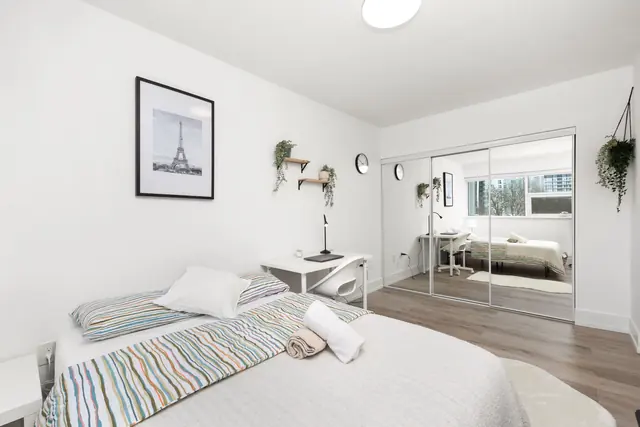
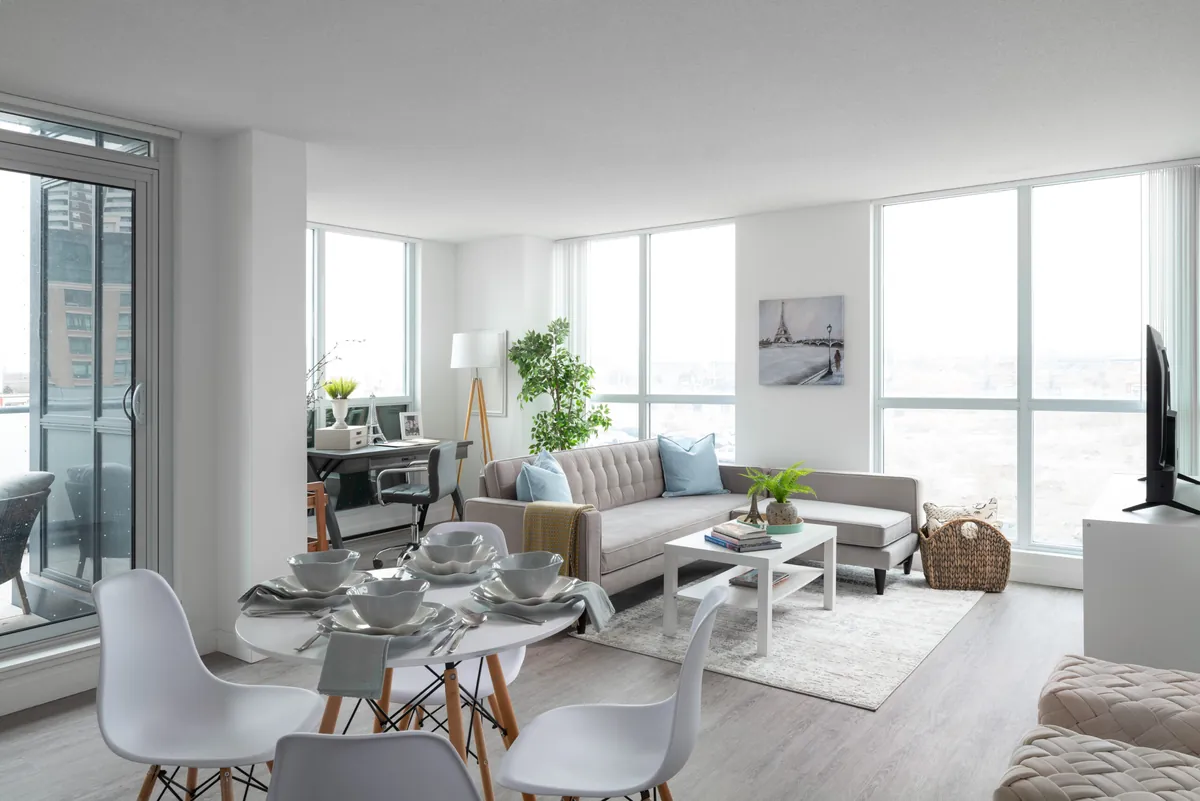
A suite has three bedrooms, one kitchen, one living space and one bathroom. On an ordinary evening that is fine. The difficulty is the collisions: three people who all need to work at the same time, or all want to have someone over, or all need quiet during the same exam week.
In a shared flat with no other space, those collisions get negotiated between flatmates, and that negotiation is most of what people mean when they say sharing is hard. It is not the sharing. It is that there is only one table.
Two floors of other rooms
There are two amenity floors, and the useful way to read the list is by what each room takes the pressure off.
- The library lounge takes the pressure off the suite table. Soft seating, long tables, enough power outlets, and quiet hours enforced during exams — so somebody can go and work rather than asking the other two to be quiet.
- The party room takes the pressure off the living space. A private dining room and lounge with a full kitchen, bookable, so a birthday happens there instead of in a suite two other people live in.
- The games room and theatre take the pressure off evenings. Somewhere to be that is neither your bedroom nor the shared sofa.
- The fitness centre and yoga studio remove a monthly cost and a reason to leave the building in February.
- The terrace and the laundry room do the ordinary work — outdoor space without a balcony, and machines on the resident floor rather than a queue in a basement.
Access is included in the rent for every resident. The building page has the full list.
Why this changes the comparison with a studio
The usual way to compare a shared suite with a studio is to count square feet of private space, and on that measure the studio wins easily.
It is the wrong measure. What you actually have here is a private bedroom plus a shared suite plus two floors of rooms you do not have to share with only two people — you share them with the building, which in practice means they are usually free when you want them. A studio gives you one room that is entirely yours and no second place to go. For some people that is the better deal; for a lot of people the second place to go is what makes the first one tolerable.
How to judge this on a viewing
Amenity photographs are the easiest thing in the world to make look good, so three questions worth asking in person.
- Is it actually open? Rooms that exist on a floor plan and are locked all year are not amenities.
- Is it used? An empty lounge at seven in the evening tells you something. So does a full one.
- What is bookable, and how? The yoga studio and party room are bookable through the resident portal; ask how far ahead and how often people get what they ask for.
Rooms start at $220 a week with amenity access inside that, so the question is not whether it is worth paying extra for — it is whether it is real.
More on co-living
- What the lease covers
- Co-living when you are not a student
- Three bedrooms, never four
- Co-living or your own apartment